-
 play_arrow
Pro Radio Demo Top Music Radio
-
 play_arrow
London Calling Podcast Yana Bolder


The Indigenous Legacy in the Dominican Republic: The Enduring Impact of the Taíno People
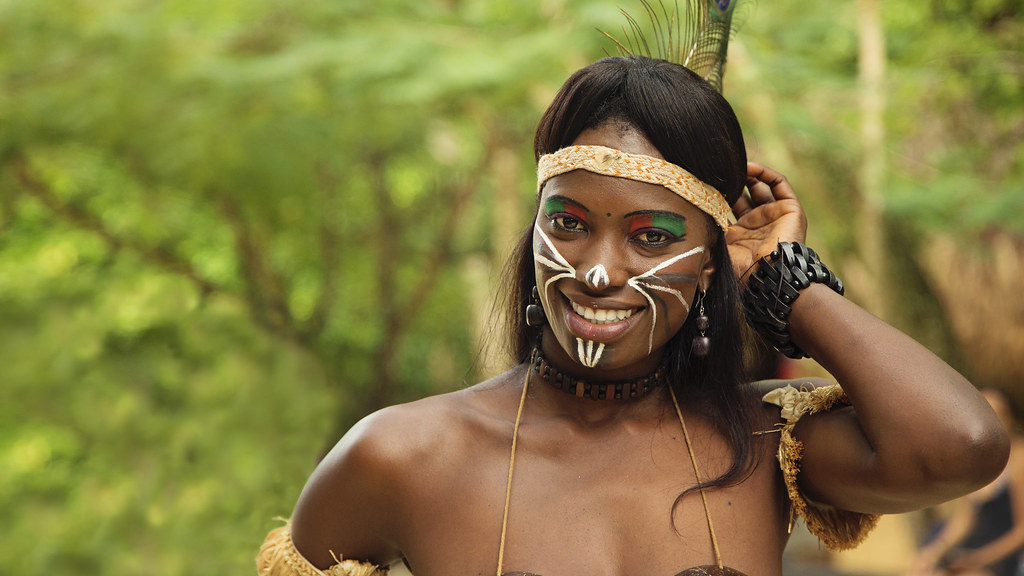
While often overshadowed by the narrative of European colonization, the Dominican Republic holds a rich and complex history deeply rooted in its indigenous heritage. The Taíno people, who inhabited the island of Hispaniola (shared by the Dominican Republic and Haiti) for centuries before the arrival of Christopher Columbus, left an indelible mark that continues to resonate in the culture, language, and even the DNA of modern-day Dominicans.
A Brief Overview of the Taíno Civilization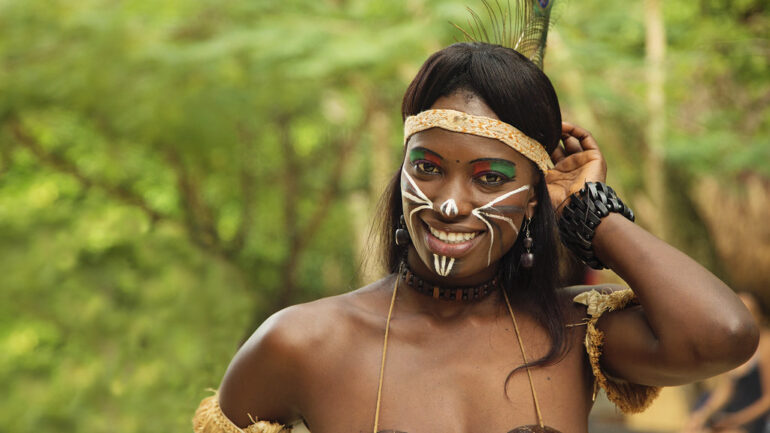 :
:
The Taíno were a peaceful and sophisticated agricultural society. They cultivated crops like cassava, maize, and sweet potatoes. They were skilled artisans, crafting intricate pottery, woodworking, and jewelry. Their social structure was organized around chiefdoms (caciques), and they possessed a rich oral tradition and spiritual beliefs centered on nature.
The Devastating Impact of Colonization:
The arrival of Europeans in 1492 marked a tragic turning point for the Taíno. Forced labor, disease, and violence decimated their population within decades. While it was long believed that the Taíno were completely extinct, recent research and genetic studies have revealed a more nuanced picture.
The Taíno Legacy Today:
Despite the devastating impact of colonization, the Taíno influence persists in various aspects of Dominican life:
Language: Many words commonly used in the Dominican Republic and throughout the Caribbean are of Taíno origin. Examples include:-
- Hamaca (hammock)-
- Barbacoa (barbecue)-
- Canoa (canoe)-
- Tabaco (tobacco)-
- Huracán (hurricane)-
- Maíz (corn/maize)
- Agriculture and Cuisine: The Taíno introduced many staple crops that are still essential to the Dominican diet. Cassava (yuca) is a prime example, used to make casabe, a traditional flatbread. Other Taíno-derived foods include sweet potatoes (batata), corn, and various fruits.
- Crafts and Art: While traditional Taíno crafts were largely lost during colonization, some elements have been preserved and adapted in modern Dominican art and crafts.-
- Genetics: DNA studies have shown that a significant portion of the Dominican population has indigenous ancestry, demonstrating that the Taíno bloodline continues to flow.
- Place Names: Many towns, rivers, and geographical features throughout the Dominican Republic retain their Taíno names, serving as a constant reminder of the island’s indigenous past.
Reclaiming and Reinterpreting the Narrative:
In recent years, there has been a growing movement in the Dominican Republic to reclaim and celebrate the Taíno heritage. This includes:
*Historical research and documentation: Scholars are working to uncover more about Taíno history and culture.
*Cultural preservation efforts: Initiatives aimed at preserving and promoting Taíno traditions and knowledge.
*Education and awareness campaigns: Efforts to educate the public about the importance of the Taíno legacy.
*Contemporary artistic expressions: Artists and writers are exploring themes of indigenous identity and resilience in their work.
*Recognition of indigenous ancestry: A growing number of Dominicans are embracing their indigenous roots and identifying as descendants of the Taíno.
Conclusion:
The Taíno people may not be a visible presence in the Dominican Republic in the same way as other indigenous cultures in Latin America, but their legacy is woven into the fabric of Dominican society. By recognizing and celebrating this rich indigenous heritage, Dominicans can gain a deeper understanding of their history and identity and honor the contributions of the people who first inhabited this beautiful island. It’s a story of resilience, adaptation, and the enduring power of culture to shape a nation.

Featured post
Latest posts
People, Photos and Animals: Responsible Tourism or Ethical Problem?

The Indigenous Legacy in the Dominican Republic: The Enduring Impact of the Taíno People

Thinking of Moving to Punta Cana? A Guide to Cost of Living, Neighborhoods & Opportunities

Electric Cars in Punta Cana: A Destination That Could Shine with Sustainable Mobility
Is Punta Cana Overrated? A Look at Recent Critiques
Current show

Club Night
Presented by Dj Ross
For every Show page the timetable is auomatically generated from the schedule, and you can set automatic carousels of Podcasts, Articles and Charts by simply choosing a category.
closeUpcoming shows
Chart

-
-
 play_arrow
Sign Jeff Molina
-
-
-
 play_arrow
You Don't Know Me Dj Slim
-
-
-
 play_arrow
Neon N.O.R.M.A.
-
-











Post comments (0)