-
 play_arrow
Pro Radio Demo Top Music Radio
-
 play_arrow
London Calling Podcast Yana Bolder



The Giants and Elusive Inhabitants of the Caribbean: A Treasure to Protect in Punta Cana and the Dominican Republic
The Giants and Elusive Inhabitants of the Caribbean: A Treasure to Protect in Punta Cana and the Dominican Republic
Introduction to Sea Turtles
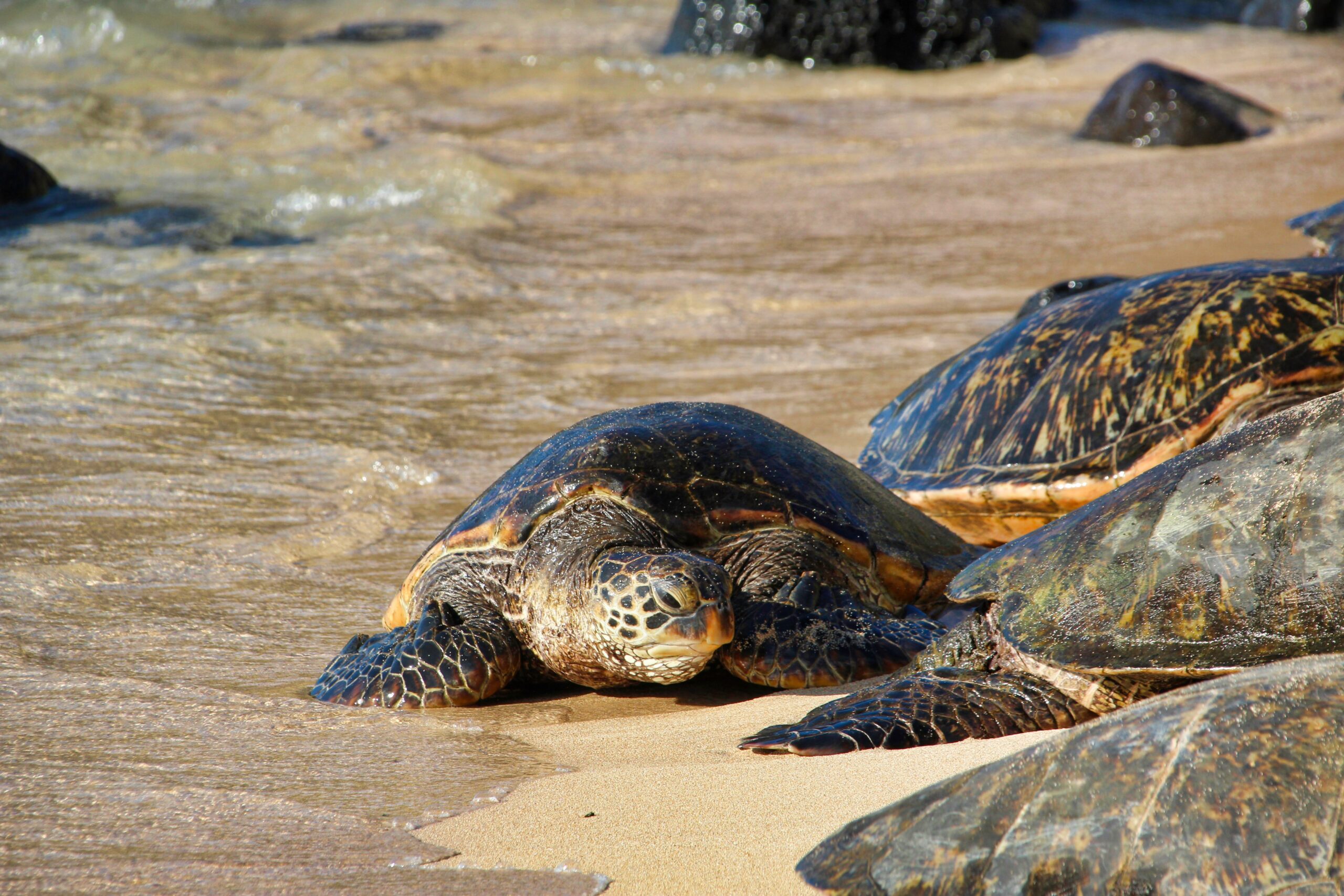
Sea turtles represent one of the most fascinating and emblematic creatures of the Caribbean ecosystem. Since their evolution, dating back over a hundred million years, these magnificent creatures have survived numerous environmental changes
, adapting to diverse conditions in the world’s oceans. The importance of sea turtles in the Caribbean ecosystem lies not only in their existence as a species but also in the crucial role they play in ocean health. They act as regulators of the marine community, contributing to the health of coral reefs and maintaining balance in the populations of other species, such as jellyfish and seagrasses.
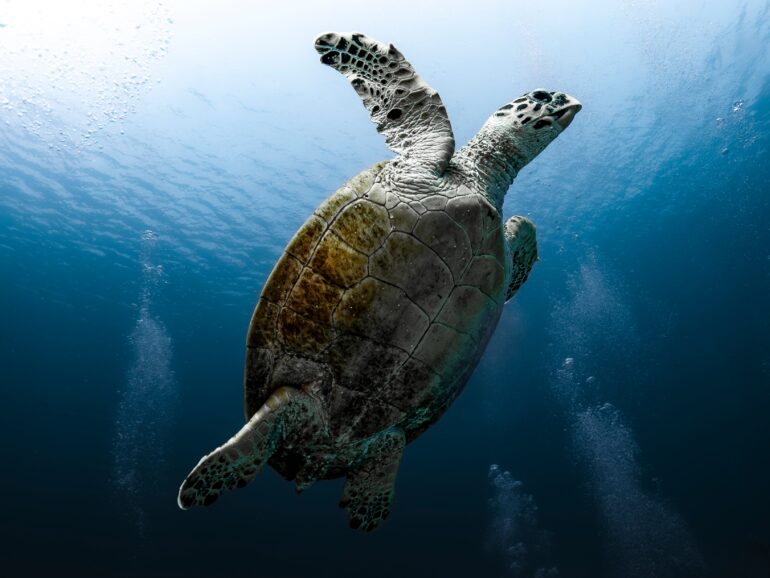
Biologically, sea turtles are endowed with unique characteristics that facilitate their adaptation to the aquatic environment. Their streamlined bodies, broad flippers, and robust shells allow them to swim vast distances across the oceans. Furthermore, they possess the ability to process saltwater through special glands located near their eyes, enabling them to live in marine environments. These adaptations make sea turtles expert swimmers, capable of traveling thousands of kilometers during their annual migrations.
In the region of Punta Cana and the Dominican Republic, it is possible to find various species of sea turtles, each with particular characteristics. Among the most common are the Green Turtle and the Hawksbill Turtle, which are often seen feeding on the lush marine flora that thrives in these waters. The preservation of these species is fundamental, as their decline could have devastating effects on the Caribbean’s ecological environment. Thus, protecting sea turtles ensures the health of the oceans and the biodiversity they harbor.
Threats to Sea Turtles
Sea turtles in the Caribbean face multiple threats that endanger their survival
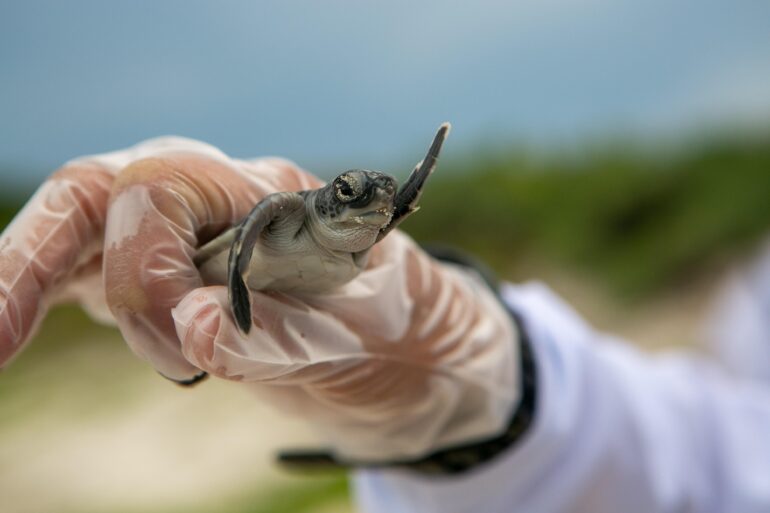
l and well-being. One of the most significant problems is ocean pollution, which affects both their habitat and their health. Turtles often confuse plastics and other debris with food, which can lead to internal blockages, infections, and even death. It is estimated that more than 50% of sea turtles have ingested plastics at some point in their lives.
Another significant challenge is accidental fishing, a phenomenon known as bycatch. Turtles are often caught in nets and traps designed for other species, which can cause them injury or death. Recent studies indicate that bycatch accounts for an alarming percentage of sea turtle deaths, with some places in the Caribbean reporting rates affecting up to 30% of certain populations. This underscores the need for more sustainable fishing practices and stricter regulations.
Habitat loss is another critical threat. Sea turtles depend on specific beaches for nesting, and coastal urbanization and tourism development have drastically reduced these areas. In turn, climate change has caused beach erosion and alterations in ocean temperatures, affecting turtle reproduction. A conservation study has revealed that some turtle species in the Caribbean have seen declines of up to 80% in their populations in recent decades due to these combined factors.
To counteract these threats, various organizations and governments are implementing conservation programs. These include establishing marine refuges, organizing beach cleanup campaigns, and enacting stricter fishing regulations. Through international cooperation and public awareness, it is hoped that some of these negative trends can be reversed in the future.
Conservation and Protection in Punta Cana and the Dominican Republic
The conservation of sea turtles in Punta Cana and the Dominican Republic is a priority to ensure the survival of these vulnerable species. Various local organizations have implemented initiatives focused on protecting nests and educating communities about the importance of preserving marine life. Fundación Tortuga, for example, has stood out in monitoring beaches where turtles nest and promoting volunteer programs that involve tourists and residents in protecting these animals.
The community conservation program, which includes collecting data on turtles during the nesting season, has proven effective not only in protecting turtles but also in raising awareness about the critical role they play in the marine ecosystem. Through educational workshops and informational sessions, conservation groups have managed to involve local schools and the wider community, fostering environmental responsibility and respect for these iconic creatures.
Furthermore, some beaches in the region have been designated as protected areas for turtle nesting. These initiatives not only help mitigate human impact but also create a safe habitat for female turtles to lay their eggs. Alongside these actions, research programs are being developed to study turtle behavior and migration, contributing to the knowledge needed for effective long-term conservation.
In the pursuit of a sustainable future for sea turtles, collaboration among non-governmental organizations, universities, and local communities is fundamental. Together, they strive to raise awareness about the fragility of these marine ecosystems and are committed to the protection of Caribbean sea turtles. These collective actions are essential to ensure that turtles remain a part of Caribbean waters for generations to come.
How You Can Help
The conservation of sea turtles is a shared responsibility that can benefit from the active participation of both tourists and residents. Adopting sustainable practices is crucial to improve the habitat of these marine creatures and contribute to their preservation. One effective way to do this is by minimizing plastic use. Reducing, reusing, and recycling can decrease the amount of waste that ends up in the oceans, where sea turtles often mistake plastics for food.
Additionally, getting involved in beach cleanup activities is an excellent way to make a difference. Many local organizations host events where volunteers can help collect trash and clean the marine environment. Participating in these activities not only helps protect sea turtles by removing obstacles in their habitats but also raises awareness about the importance of keeping our beaches clean.
Respecting local regulations is equally important. Laws and regulations regarding turtle protection are in place to ensure their survival and the preservation of their ecosystems. As a visitor, it is essential to obey signs regarding access to nesting areas and not interfere with their natural behavior. Furthermore, supporting local conservation programs can be a key element in protecting these species. Investing in initiatives that protect their habitats and promote environmental education can have a lasting impact on the health of sea turtle populations.
Finally, community participation can foster significant change. By joining with others in initiatives that advocate for the protection of sea turtles, we can contribute to a safer future for these emblematic Caribbean species. Every action counts in the collective effort to ensure the survival of sea turtles.

Featured post
Latest posts
People, Photos and Animals: Responsible Tourism or Ethical Problem?

The Indigenous Legacy in the Dominican Republic: The Enduring Impact of the Taíno People

Thinking of Moving to Punta Cana? A Guide to Cost of Living, Neighborhoods & Opportunities

Electric Cars in Punta Cana: A Destination That Could Shine with Sustainable Mobility

Is Punta Cana Overrated? A Look at Recent Critiques
Current show

Club Night
Presented by Dj Ross
For every Show page the timetable is auomatically generated from the schedule, and you can set automatic carousels of Podcasts, Articles and Charts by simply choosing a category.
closeUpcoming shows
Chart

-
-
 play_arrow
Sign Jeff Molina
-
-
-
 play_arrow
You Don't Know Me Dj Slim
-
-
-
 play_arrow
Neon N.O.R.M.A.
-
-












Post comments (0)