


Useful Tips
Punta Cana, August 2026 — Essential advice for traveling to the Dominican Republic.

Over 8.8 million air passengers landed in the Dominican Republic in 2025, and more than half passed through Punta Cana International Airport. This sun-drenched coastline is the Caribbean’s busiest hub, but it’s also a gateway to a diverse country—from resort strips to colonial cities and mountain towns. Whether you’re planning your first trip or returning, these practical tips cover the essentials: resort zones, transport, excursions, and where to stay.
In 2025, the DR welcomed 11,676,901 visitors (air and cruise combined), making it the second most visited country in Latin America. Punta Cana alone handled 51% of air arrivals. This guide is based on verified data and local insights—no exaggerations, just practical advice to help you navigate the destination like a pro.
Best Time to Visit Punta Cana and the DR
The Dominican Republic has warm weather year-round, but timing affects crowds, prices, and seaweed.
- Peak Season (December–April): Dry, sunny, and crowded. December 2025 hit a record 1.39 million visitors in one month. Expect premium rates and book early.
- Shoulder Season (May–June and November): Good weather, thinner crowds, and lower prices—the best value for most travelers.
- Low Season (July–October): Hottest, rainiest, and highest hurricane risk (especially August–September). This is when you’ll find the cheapest flights and hotel deals—great if you’re flexible and don’t mind afternoon showers.
If you’re looking to save, May, June, and November offer the sweet spot. For rock-bottom prices, September and October are the cheapest, but always check weather forecasts and travel insurance.
Punta Cana’s Resort Zones and Alternative Areas
Punta Cana is a 50-kilometer coastline with distinct zones. Choosing the right one makes a huge difference.
- Bávaro: The busiest, most convenient strip—endless all-inclusives, shops, and restaurants. Great for first-timers and families.
- Punta Cana Village and Resort Area: More exclusive, home to the original Puntacana Resort, golf, and Ojos Indígenas reserve. Quieter and upscale.
- Cap Cana: Luxury gated community with marina, Jack Nicklaus golf, and Playa Juanillo. Top-tier resorts and villas.
- Uvero Alto: Northern end, peaceful and romantic—mostly adult-only and boutique properties.
Useful Tips of Where to find more affordable stays: Beyond the big resorts, look into El Cortecito (an area with guesthouses and small hotels, located right next to Los Corales), Los Corales (apartment-style hotels), and the increasingly popular Friusa area—a commercial hub near Bávaro with budget hotels, hostels, and local eateries. Other nearby options include Verón and La Otra Banda, which offer simpler accommodations and a more authentic Dominican vibe.
Best Beaches in Punta Cana
- Playa Bávaro: The classic—powder-white sand, calm turquoise water, backed by resorts. Perfect for swimming.
- Playa Juanillo (Cap Cana): Stunning crescent of sand, less crowded, excellent for photos.
- Playa Macao: Surfer’s beach with consistent waves; a favorite for ATV excursions.
- Playa Blanca: Pristine but often with entrance fees (private developments).
- Playa Cabeza de Toro: Calm, family-friendly, with public access.
Excursions and Tours: Price Variation and Quality
The Dominican Republic offers a huge range of excursions—Saona Island catamarans, ATV jungle rides, ziplining, Santo Domingo city tours, and more. But here’s the catch: the same excursion can cost wildly different prices depending on where you book it.
Important Useful Tips: Price differences often reflect the quality of service—not just the commission. Cheaper operators may use older boats, skip safety briefings, offer lower-quality food, or cram more people. More expensive ones usually include better equipment, experienced guides, smaller groups, and premium meals. Always ask what’s included (transport, food, drinks, insurance) and read recent reviews before booking.
Booking through your hotel’s tour desk is convenient but often the most expensive. Local agencies in Bávaro, Friusa, or online platforms (with verified reviews) can offer better rates. Just don’t chase the lowest price blindly—your safety and experience depend on it.
Transport in Punta Cana and the DR: What Works and What Doesn’t
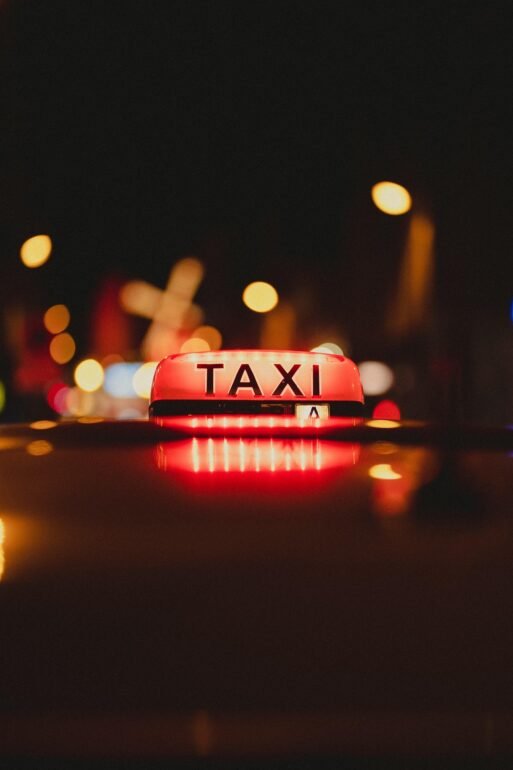
Getting around Punta Cana and the rest of the country requires knowing the local transport reality.
- From the airport: Public transport does not operate from Punta Cana International Airport (PUJ). You must book private transport—either a pre-arranged shuttle, a taxi, or a ride-hailing app (Uber/Indrive). Hotel transfers are also common.
- Taxis: Traditional taxis are widely available but a bit more costly. Fares are not metered—agree on a price beforehand.
- Ride-hailing apps: Uber and Indrive operate in Punta Cana and Santo Domingo. They’re usually cheaper than taxis and more transparent. However, availability may be limited in remote areas.
- Public buses (guaguas): These shared minibuses run between towns and cities (e.g., Punta Cana–Santo Domingo, Punta Cana–La Romana). They are very cheap but not efficient—they can be crowded, slow, and depart only when full. In some regions (like the north coast), the service is more reliable; in Punta Cana, it’s less organized.
- Motoconchos (motorcycle taxis): Cheap and fast, but risky. Helmets are rarely provided, and accidents are common. Use them only if you’re comfortable with the risk—many visitors avoid them altogether.
Recommendation: For airport transfers and resort-to-resort moves, book private transport or use Uber/Indrive. For inter-city travel, consider Caribe Tours or Metro (the main bus companies) which offer more comfortable coaches between major cities—they’re reliable, air-conditioned, and affordable.
Additional Practical Tips
Entry Requirements
- Valid passport (must be valid for your stay). https://puntacanatalk.com/essential-entry-requirements-dominican-republic-2026/
- Complete the free E-Ticket migration form within 72 hours before arrival at https://eticket.migracion.gob.do/.
- Tourist card is now included in airfare.
- Visa-free for US, EU, UK, and Canadian citizens for up to 30 days.
Currency and Payments
- Official currency: Dominican Peso (DOP). 1 USD ≈ 58 DOP (check current rate).
- US dollars are widely accepted in resort zones, but you’ll get better rates paying in pesos.
- Cash is essential for markets, small vendors, taxis, and tips.
Safety
- Use hotel-arranged or licensed taxis.
- Book excursions with recognized agencies—check reviews and ask for credentials.
- Avoid carrying large amounts of cash or flashy jewelry.
- Exchange money only at banks or official exchange offices.
- Avoid isolated areas at night.
- Tourist police (POLITUR) patrol main zones. For assistance, you can contact them at:
- Website: https://politur.gob.do/
- Toll-free line: 1-809-200-3500
- Email: info@politur.gob.do
- In case of emergency, dial 911.
What to Pack
- Lightweight, breathable clothing (cotton, linen).
- Swimsuits (at least two).
- Reef-safe sunscreen, sunglasses, and a wide-brimmed hat.
- Insect repellent (with DEET or picaridin).
- Comfortable walking shoes for excursions.
- Water shoes for rocky beaches and cenotes.
- Small bills for tipping and local purchases.
- Reusable water bottle.