

Your Money Abroad
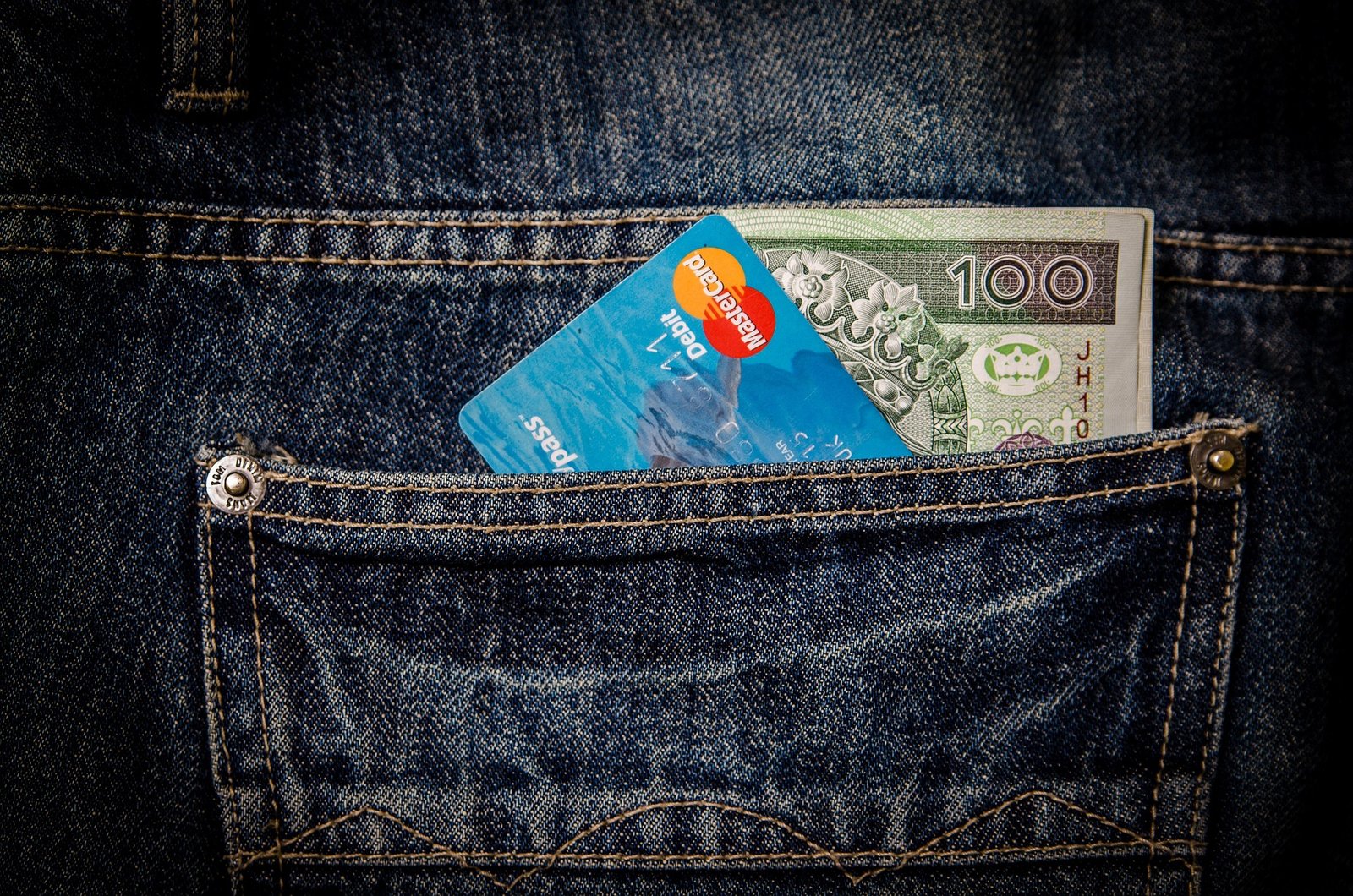
Your Money Abroad: A Smart Guide to Currency, Cards, and Cash in 2026
Stop overpaying on your next trip. Here’s how to master foreign currency and keep more money in your pocket.
Introduction
You’ve booked the flights, packed your bags, and mapped out your itinerary. But there’s one thing most travelers overlook until it’s too late: how their money abroad actually works.
That $3 coffee in Paris? It might cost you $3.09. Or $3.15. Or even $3.30—depending on how you pay. The difference isn’t luck. It’s knowing the system.
In 2026, the gap between the best and worst ways to handle foreign currency is bigger than ever. Here’s what you need to know before you go.
Save your Money..
The Three Fees That Eat Your Travel Budget
Most travelers don’t realize they’re paying three separate fees every time they use money abroad:
1. Your bank’s foreign transaction fee – Typically 1% to 3% of every purchase. The average in 2026 is around 1.6%, but some traditional cards still charge up to 3%.
2. The ATM operator’s fee – A flat charge per withdrawal, often $3–$5 plus a percentage. In destinations like the Dominican Republic, local ATM fees run **RD$200–400** (about $3.50–$7) per transaction.
3. The hidden exchange rate markup – This is where most money is lost. Some ATMs and merchants mark up the exchange rate by 3–7% without you ever noticing.
Add these up, and a $1,000 trip could cost you **$50–$100 in unnecessary fees**.
The 1 Mistake Travelers Make with his Money Abroad (And How to Avoid It)
Dynamic Currency Conversion (DCC) is the single most expensive trap for international travelers.
Here’s how it works: You’re at a restaurant in Europe, and the card terminal asks: “Pay in USD or EUR?”
Always choose the local currency.
If you choose your home currency, the merchant (not your bank) sets the exchange rate—and it’s almost always worse. The same applies at ATMs: when prompted, decline the conversion and choose the local currency.
Golden rule: Pay in local currency. Every time. Every terminal. Every trip.
Cards vs. Cash: What Works Best in 2026
The Smart Strategy: A Hybrid Approach
Cards are your primary tool. They offer better exchange rates, purchase protection, and convenience. In 2026, contactless payments are accepted in most major cities worldwide.
Cash is your backup. Keep a moderate amount for:
- Small shops and street vendors
- Transportation in rural areas
- Emergencies and tips
Choosing the Right Card
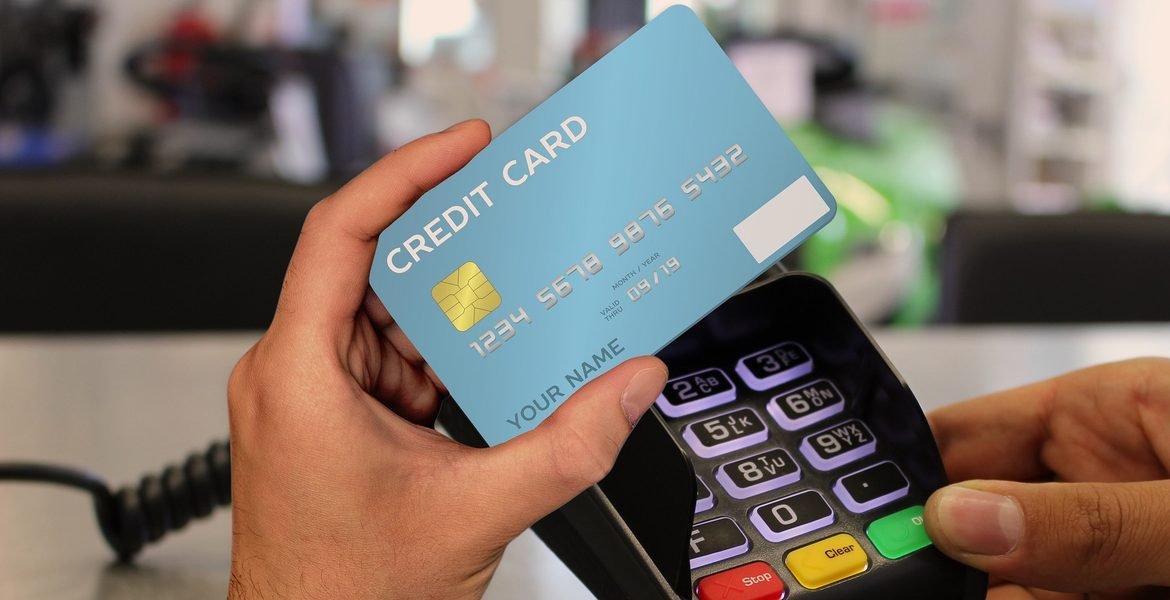
Look for cards with zero foreign transaction fees. In 2026, many options exist:
- Capital One cards (Venture, Quicksilver) charge no foreign transaction fees
- Chase Sapphire Preferred/Reserve – no foreign transaction fees
- Wells Fargo Autograph – no foreign transaction fees and no annual fee
- Discover cards – no foreign transaction fees
- Revolut Standard – fee-free spending up to €1,000/month in foreign currency
- Trade Republic – no foreign transaction fees with no limit
Pro tip: If your current card charges foreign fees, get a travel-specific card before your trip. The savings will pay for itself.
Where to Get the Best Exchange Rate
Not all exchange sources are equal. Here’s the 2026 ranking:
| Method | Exchange Rate | Fees | Best For |
|---|---|---|---|
| ATM (bank-owned) | Interbank rate (~best) | $3–7 per withdrawal + possible bank fee | Larger withdrawals |
| City currency exchange | 1–2% below interbank | Low or none | Cash needs in urban areas |
| Bank counter | Official rate | Slow service (30–60 min waits) | Large amounts |
| Airport exchange | 8–12% below interbank | Highest markup | Avoid at all costs |
The takeaway: For the best overall rate, use ATMs at major bank branches in the city center. For cash exchange, find a reputable local exchange bureau—not the airport kiosk
https://puntacanatalk.com/useful-tips/
Smart ATM Strategies
To minimize ATM fees:
- Withdraw larger amounts less frequently – Flat fees hurt less when spread over more cash
- Use bank-affiliated ATMs – Standalone machines in tourist areas often charge more
- Check if your bank has international partners – Some belong to the Global ATM Alliance with fee-free withdrawals
- Always decline DCC at the ATM – Choose local currency
Before You Go: Your Money Checklist
- □ Check your card’s foreign transaction fees
- □ Apply for a no-foreign-fee travel card if needed
- □ Notify your bank of your travel dates
- □ Memorize your PIN (and know it works internationally)
- □ Download a currency converter app
- □ Carry two cards from different issuers (in case one is blocked)
- □ Exchange a small amount of cash for immediate arrival needs
Conclusion
Understanding your money abroad isn’t complicated—but it does require planning. The difference between a traveler who pays 3% extra on everything and one who pays 0% is simply knowing the rules.
In 2026, the tools are better than ever: fee-free cards, global ATM networks, and real-time exchange tracking. Use them wisely, and your money will go further.
The best travel hack isn’t a secret destination. It’s keeping the money you’ve already earned.
Frequently Asked Questions
Q: Should I exchange money before I travel?
A: Exchange a small amount for immediate needs (transportation, snacks). For larger amounts, use ATMs or city exchange bureaus upon arrival for better rates.
Q: Are all “no foreign transaction fee” cards the same?
A: No. Some have monthly limits (e.g., Revolut’s €1,000/month free), while others are unlimited. Read the fine print.
Q: What if an ATM asks if I want to accept their conversion rate?
A: Always decline. This is Dynamic Currency Conversion (DCC). Choose to be charged in the local currency instead.
https://www.ricksteves.com/travel-tips/money/travel-checklist-money

Featured post
Latest posts

Vacations and Health: Rest as an Investment in Your Well-Being
Living in the Caribbean: bold unforgettable beginnings
Canadian Travelers Are Redrawing the Dominican Republic’s Air Map
Punta Cana: The Caribbean’s Most Reliable Winter Refuge
The Art of the Dominican Cigar: “To savor a cigar is to enjoy time itself.”
Current show

Frequency One
Mixed by Dj Monster
For every Show page the timetable is auomatically generated from the schedule, and you can set automatic carousels of Podcasts, Articles and Charts by simply choosing a category. Curabitur id lacus felis. Sed justo mauris, auctor eget tellus nec, pellentesque varius mauris. Sed eu congue nulla, et tincidunt justo. Aliquam semper faucibus odio id varius. Suspendisse varius laoreet sodales.
closeUpcoming shows
Chart

-
 play_arrow
Sign Jeff Molina
-
-
play_arrow
You Don't Know Me Dj Slim
-
-
play_arrow
Neon N.O.R.M.A.
-

















Post comments (0)