

Vacations and Health: Rest as an Investment in Your Well-Being

Vacations and Health: Rest as an Investment in Your Well-Being
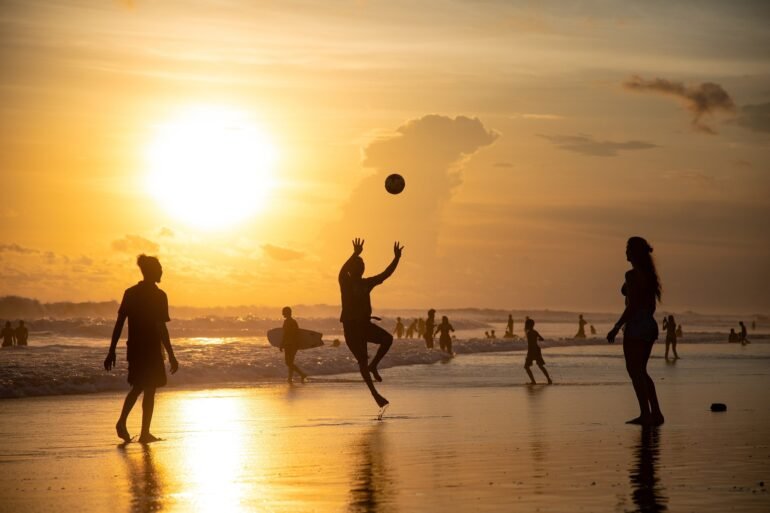
Vacations and health are more connected than most people realize. Vacations are often associated with fun, beaches, family, or adventure. However, a growing body of research and health specialists agree that they are also a powerful tool for caring for the body and mind. Rest is not a luxury: it is a biological and emotional necessity. A well-planned vacation can reduce stress, improve sleep, strengthen the immune system, and increase productivity. This article explores the relationship between vacations and health, and how to make the most of them to return with more energy and balance.
Why Are Vacations and Health So Closely Linked?
Today’s fast-paced lifestyle, with long working hours, constant notifications, and family responsibilities, keeps the body in a permanent state of alert. Vacations allow us to break that cycle and give the body a chance to recover. According to the World Health Organization (WHO), tourism can promote health and well-being through stress reduction, physical activity, and health tourism. The connection between vacations and health is not coincidental—it is supported by science.
Stress Reduction: A Key Benefit of Vacations for Health
Various studies have shown that people who take vacations regularly have lower levels of cortisol, the stress hormone. Stepping away from sources of tension allows the nervous system to relax and reduces feelings of overwhelm. Research from the American Psychological Association (APA) found that 57% of workers return from vacation feeling less stressed and more motivated, with 68% reporting a more positive mood and 66% having more energy. This is one of the clearest benefits of vacations for health.
Improved Cardiovascular Health Through Healthy Vacations
Chronic stress is associated with hypertension, heart disease, and other cardiovascular problems. Rest helps regulate blood pressure, improve circulation, and reduce the risk of cardiac events. Although specific studies vary, the general consensus among health experts is that regular rest supports heart health. Choosing healthy vacations that include relaxation and moderate physical activity can make a significant difference.
Better Sleep Quality: How Vacations and Health Work Together
Changing routines and sleeping without alarms can help regulate the circadian rhythm. Many people sleep more and better during vacations, which favors physical and mental recovery. Harvard Health Publishing notes that improved rest and sleep during vacation helps you think more clearly and can help reset sleep patterns. This is another example of how vacations and health reinforce each other.
Strengthened Immune System: The Rest and Well-Being Connection
Adequate rest and stress reduction contribute to better immune function. While research in this area continues, health experts agree that reducing chronic stress and getting proper sleep are essential for a healthy immune system. The link between rest and well-being becomes evident when the body recovers from accumulated tension.
Mental Health and Vacations: More Than Just Disconnecting
Vacations provide time for reflection, enjoyment, and connection with others. They can reduce symptoms of anxiety and depression and increase overall well-being. The APA emphasizes that taking a break from work is important for physical and mental health, and that vacations help people recover from stress and prevent burnout. The relationship between mental health and vacations is bidirectional: better mental health makes vacations more enjoyable, and vacations improve mental health.
However, the APA also warns that for nearly two-thirds of working adults, the benefits of time away dissipate within a few days, and 24% say the positive effects disappear immediately upon returning to work.
Greater Productivity and Creativity: Physical and Emotional Well-Being at Work
Upon returning, many people feel more motivated, focused, and creative. Rest allows the brain to process information and generate new ideas. According to the APA survey, 58% of working adults reported being more productive after time off, and 55% said their work quality was better. This physical and emotional well-being translates directly into better professional performance.
Types of Vacations and Their Health Benefits

Not all vacations are the same. The type of experience influences the vacation benefits obtained.
Sun and beach vacations: promote relaxation, moderate sun exposure (vitamin D), and rest.
Nature vacations: hiking, fresh air, and contact with green environments reduce stress and improve mood.
Active vacations: hiking, cycling, or water sports improve physical condition and release endorphins.
Wellness vacations: spas, meditation retreats, or yoga help reconnect with oneself.
Cultural or urban vacations: stimulate curiosity, learning, and socialization.
How to Plan a Healthy Vacation
For rest to truly benefit your health, it should be planned with balance. These tips will help you maximize the benefits of vacations for health. SAFETY & SMART TRAVEL
Do you need to sleep, disconnect, move, or share? Knowing what you are looking for will help you choose the right destination and pace. Aligning your goals with your vacations and health needs is the first step.
It is not about filling every day with excursions or spending all your time in a hammock. Alternating moments of rest with pleasant activities is ideal for healthy vacations.
Enjoying local cuisine does not conflict with eating healthily. Maintain good hydration, especially in warm climates, and moderate alcohol and ultra-processed foods.
Use sunscreen, sunglasses, and appropriate clothing. Avoid prolonged sun exposure during the central hours of the day. The WHO also addresses health risks such as infectious diseases, injuries, and violence, emphasizing the crucial role of robust health systems and emergency preparedness.
Although you may be able to sleep more, try to maintain relatively stable schedules. Nighttime rest is key to recovering energy and maintaining the vacations and health balance.
Disconnect from Technology to Improve Mental Health and Vacations
Reducing mobile phone and social media use helps decrease stress and be more present. Harvard Health Publishing emphasizes that we gain perspective when we pull back from virtual pursuits, a shift that pays big dividends for mental health and vacations.
Prepare a First-Aid Kit and Travel Insurance
Bring basic medications, your prescriptions if you take chronic medications, and insurance that covers medical emergencies.
Consult Your Doctor if You Have a Chronic Condition
If you have diabetes, hypertension, heart problems, or any chronic illness, consult before traveling and follow their instructions. This is essential for balancing vacations and health.
Vacations and Mental Health: More Than Just Disconnecting
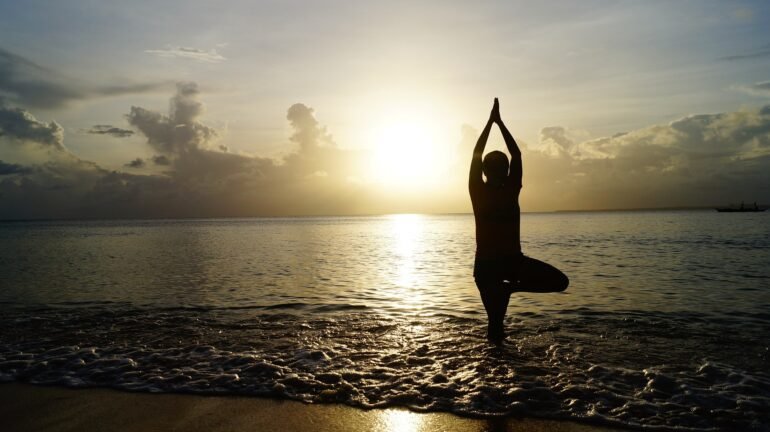
Vacations are also an opportunity to care for the mind. Digital disconnection, contact with nature, practicing mindfulness, or simply sharing quality time with loved ones can have therapeutic effects. Harvard Health Publishing reports that few studies conducted suggest that vacation does result in real, albeit temporary, positive effects on health and well-being. The WHO has also noted that stress reduction and physical activity through tourism can promote health and well-being, while advocating for inclusive and accessible tourism that removes barriers and promotes equity, particularly for women, Indigenous communities, and individuals with disabilities.
Risks to Avoid During Vacations
Although vacations are beneficial, they can also present risks if not planned well:
Jet lag: schedule changes that disrupt sleep. Adapting gradually and exposing yourself to sunlight helps.
Travel stress: delays, crowds, or logistical problems. Planning with margin and maintaining realistic expectations reduces tension.
Excessive alcohol: can affect sleep, hydration, and mood.
Sedentary behavior: spending many hours sitting or lying down can cause stiffness and discomfort. Introduce walks and stretches.
Unsafe food or water: in some destinations, drink bottled water and eat well-cooked food.
How to Maintain the Benefits of Vacations for Health Upon Returning
The challenge is to prolong the positive effects of vacation in your daily routine. The APA advises that for nearly two-thirds of adult workers, the benefits of vacation dissipate within a few days, and 24% say they disappear immediately upon returning to work. To counteract this and maintain the benefits of vacations for health:
Return gradually: if possible, reserve a transition day before returning to work.
Maintain some healthy routines: walks, reading, meditation, or healthy cooking.
Plan small breaks throughout the year: long weekends, short getaways, or rest days.
Remember your vacation: viewing photos, sharing anecdotes, or writing about the experience reinforces physical and emotional well-being. Harvard Health Publishing suggests that we can keep the best parts of our vacation routines and use them to fuel better health all year long.
Conclusion: Vacations and Health as a Long-Term Investment
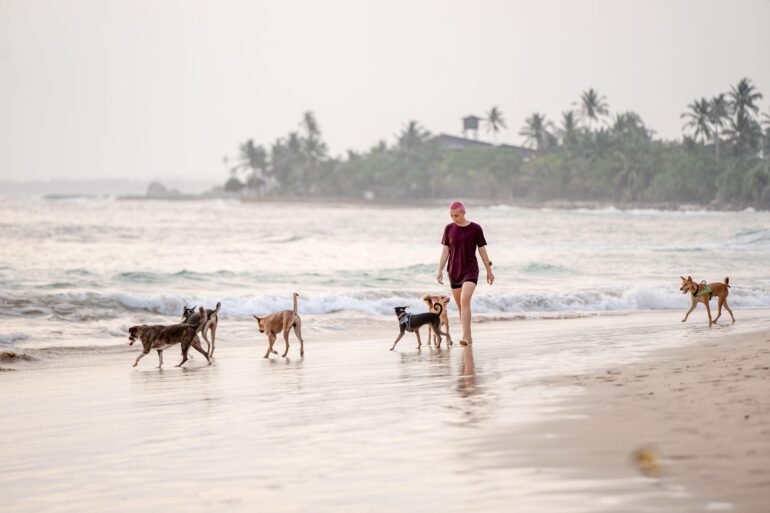
Vacations and health are not separate concepts; they are deeply intertwined. Resting, disconnecting, and enjoying new experiences helps reduce stress, improve sleep, strengthen the immune system, and increase quality of life. Planning a healthy vacation, with a balance between rest and activity, allows you to return with more energy and a better disposition to face your routine. The benefits of vacations for health extend far beyond the days off—they are an investment in your long-term physical and emotional well-being.
Remember that this article is informative and does not replace the advice of a health professional. If you have questions about your physical or mental condition, consult your doctor before traveling.
Sources Cited
World Health Organization (WHO). Understanding the health and tourism nexus. 2025. https://www.who.int/portugal/publications/i/item/9789289062541
American Psychological Association (APA). Vacation time recharges US workers, but positive effects vanish within days, new survey finds. 2018. https://www.apa.org/news/press/releases/2018/06/vacation-recharges-workers
Harvard Health Publishing. Healthy vacation habits to continue all year. 2024. https://www.health.harvard.edu/healthy-aging-and-longevity/healthy-vacation-habits-to-continue-all-year

Featured post
Latest posts

Vacations and Health: Rest as an Investment in Your Well-Being
Living in the Caribbean: bold unforgettable beginnings
Canadian Travelers Are Redrawing the Dominican Republic’s Air Map
Punta Cana: The Caribbean’s Most Reliable Winter Refuge
The Art of the Dominican Cigar: “To savor a cigar is to enjoy time itself.”
Current show

TranceAmerica
Mixed by Thomas Grey
For every Show page the timetable is auomatically generated from the schedule, and you can set automatic carousels of Podcasts, Articles and Charts by simply choosing a category. Curabitur id lacus felis. Sed justo mauris, auctor eget tellus nec, pellentesque varius mauris. Sed eu congue nulla, et tincidunt justo. Aliquam semper faucibus odio id varius. Suspendisse varius laoreet sodales.
closeUpcoming shows
Chart

-
 play_arrow
Sign Jeff Molina
-
-
play_arrow
You Don't Know Me Dj Slim
-
-
play_arrow
Neon N.O.R.M.A.
-

















Post comments (0)