

Living in the Caribbean: bold unforgettable beginnings
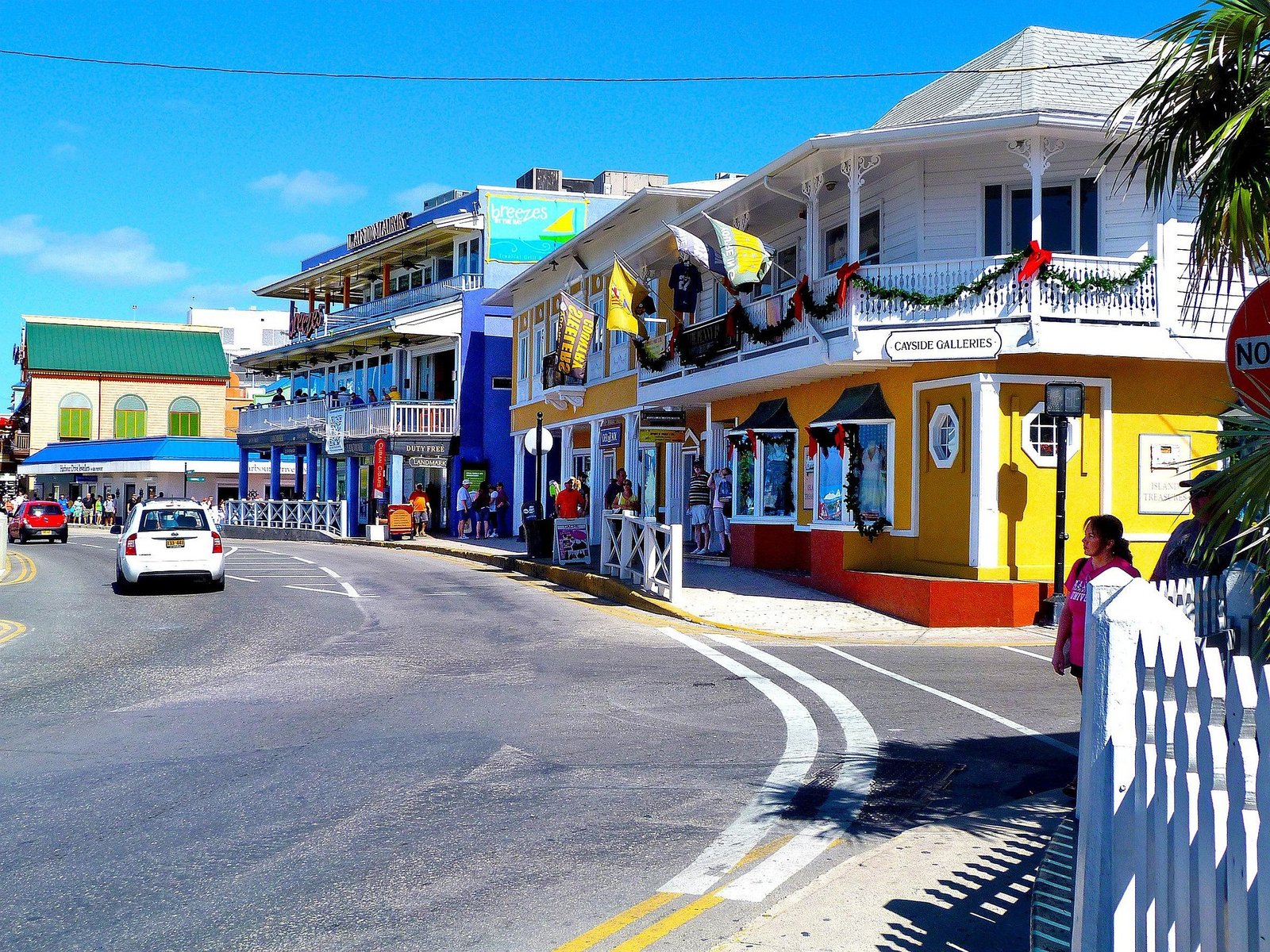
Living in the Caribbean, Start Over
Living in the Caribbean sounds like a dream. Maybe you just got back from a vacation there—the sun, the beaches, the relaxed rhythm—and you can’t stop thinking: what would it be like to actually live here? Not just visit, but build a life. That question changes everything.

For years, the Caribbean has been presented as a place to escape to.
A few days of sunshine. A beach. A cold drink. A hotel room with an ocean view.
But something changes when the question is no longer “Where should I go on vacation?” and becomes:
“Where could I actually live?”
That question opens an entirely different conversation.
Because living in a Caribbean country is not about having a permanent vacation. It is about finding a place where the everyday things — work, relationships, transportation, healthcare, housing, food, community and opportunity — fit the life you want to build.
And that means the right Caribbean destination may have less to do with the postcard and more to do with you. The Caribbean lifestyle you imagine may not match the everyday reality.
Maybe You Are Looking for a Different Pace
For some people, the attraction begins with time.
Not necessarily having more of it, but experiencing it differently.
Life in many Caribbean communities has a strong outdoor and social component. A morning coffee can become a conversation. A quick stop somewhere can turn into an unexpected encounter. Meals, music and gatherings can stretch beyond the schedule originally planned.
For someone coming from a fast-moving city, that change can feel significant.
But it is not for everyone.
Some people thrive on constant movement, strict schedules and urban intensity. Others discover that they were looking for something slower all along.
The important question is not whether the Caribbean is “better.”
It is whether its rhythm matches yours. This is a key part of the Caribbean lifestyle.
Maybe You Are Looking for Opportunity
The Caribbean is also more than tourism.
Across the region, people are building businesses, working remotely, investing, creating content and developing new services for increasingly international communities.
For entrepreneurs and professionals, moving to the Caribbean can be part of the business equation.
International airports, telecommunications, tourism, real estate, hospitality and growing digital communities can create opportunities — while also bringing competition and higher demand.
The Caribbean can offer possibilities.
But possibilities are not guarantees.
Anyone considering a move should look carefully at the local economy, regulations, taxation, infrastructure and the realities of doing business before making a decision. You can check World Bank data on Caribbean small states for economic indicators.
Maybe You Are Looking for Community

There is another reason people stay.
People.
Living in a Caribbean country can bring together locals, long-term residents, travelers, entrepreneurs and people who arrived with one plan and eventually created another.
That mixture can be one of the most interesting parts of life in the Caribbean.
But finding community takes participation.
Learning how people communicate, understanding local customs, making an effort with the language and becoming part of everyday life can make a difference.
There is a big difference between living in a country and simply living beside it.
For expats, the best Caribbean lifestyle often involves genuine integration.
What Is It Like Living in the Caribbean?
Eventually, paradise meets the spreadsheet.
Rent or a mortgage. Groceries. Transportation. Internet. Healthcare. Insurance. Schools. Taxes. Visas and residency requirements.
These are not the glamorous parts of the Caribbean dream, but they are the parts that determine whether the dream works in real life.
Cost of Living in the Caribbean
The cost of living in the Caribbean can vary dramatically between countries, cities and even neighborhoods. A location that looks affordable from abroad may feel very different once imported products, transportation and private services are included.
And the opposite can also be true.
A place that appears expensive may offer infrastructure, connectivity and services that make the overall lifestyle worthwhile for a particular person.
The numbers matter. For a rough comparison, you can check Numbeo’s cost of living database.
Things to Consider Before Moving to the Caribbean
Before moving to the Caribbean, you should consider legal and practical factors.
Visas and residency requirements differ by country. Healthcare access and insurance options vary. Taxation may depend on your income source and residency status. Infrastructure, including internet reliability and road conditions, can differ greatly from what you are used to.
It is also important to understand local regulations for business or property ownership.
Organizations like CARICOM provide regional context, while Caribbean Tourism Organization offers broader insights. Doing your homework can prevent costly surprises.
How to Choose a Caribbean Country to Live In
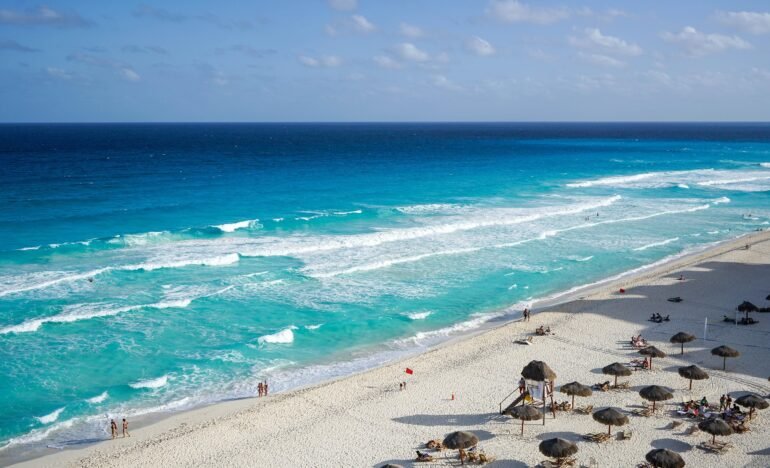
This may be the most important thing to remember.
The Caribbean is a region, not a single lifestyle.
Each country has its own history, culture, economy, language, infrastructure and personality.
The Dominican Republic is different from Jamaica. Puerto Rico is different from Barbados. The Bahamas is different from Trinidad and Tobago.
And even within one country, life in a capital city can feel completely different from life in a coastal town or a rural community.
There is no universal Caribbean experience.
There are many. When researching Caribbean countries to live in, compare not just beaches but also healthcare, safety, cost of living, and community.
Beyond the Beach
Perhaps the biggest mistake is choosing a Caribbean destination based entirely on its tourist experience.
Resorts are designed to give visitors a particular version of a place.
Residents experience another.
The supermarket matters. The morning commute matters. The neighborhood matters. The nearest pharmacy matters. The road you drive every week matters. So does the person who knows your name at the local café.
That is why spending time outside the tourist bubble can tell you more about a potential home than another week beside a resort pool. If you are considering living in the Caribbean, visit during the off-season and explore residential areas.
The Best Caribbean Lifestyle for Expats
What works for one expat may not work for another.
Some prefer the fast-paced, international vibe of a capital city. Others want a quiet coastal town where they can surf, write, or run a small business. Some need reliable high-speed internet for remote work. Others prioritize access to international schools for their children.
The best Caribbean lifestyle for expats is the one that aligns with your daily needs and long-term goals.
Talk to people who already made the move. Join expat forums and local community groups. And remember: living in the Caribbean is not a permanent vacation—it is a real life, with real trade-offs and real rewards.
So, What Are You Looking For?
Maybe you want warm weather.
Maybe you want to be closer to nature.
Maybe you want a new business environment.
Maybe you want international connections.
Maybe you want to raise a family somewhere different.
Maybe you want a stronger sense of community.
Or maybe you simply want to wake up somewhere that feels different from where you have been.
There is no single answer.
And perhaps that is the most interesting part of living in the Caribbean.
You don’t have to arrive with everything figured out.
You just need to know what matters to you.
Because the real decision is not simply about choosing a country.
It is about choosing the kind of everyday life you want to wake up to.

So, Go Ahead & enjoy your journey!

Featured post
Latest posts

Living in the Caribbean: bold unforgettable beginnings
Canadian Travelers Are Redrawing the Dominican Republic’s Air Map
Punta Cana: The Caribbean’s Most Reliable Winter Refuge
The Art of the Dominican Cigar: “To savor a cigar is to enjoy time itself.”
How to Navigate Punta Cana International Airport (PUJ) Like a VIP
Current show

Fashion Victims
Every Afternoon With You!
For every Show page the timetable is auomatically generated from the schedule, and you can set automatic carousels of Podcasts, Articles and Charts by simply choosing a category. Curabitur id lacus felis. Sed justo mauris, auctor eget tellus nec, pellentesque varius mauris. Sed eu congue nulla, et tincidunt justo. Aliquam semper faucibus odio id varius. Suspendisse varius laoreet sodales.
closeUpcoming shows
Chart

-
 play_arrow
Sign Jeff Molina
-
-
play_arrow
You Don't Know Me Dj Slim
-
-
play_arrow
Neon N.O.R.M.A.
-





















Post comments (0)